Introduction
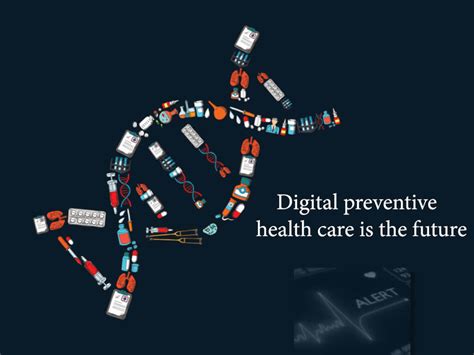
In the year 2024, the world has witnessed a remarkable intersection of technology and preventive care. As advancements in technology continue to revolutionize various industries, the healthcare sector has not been left behind. From wearable devices to telemedicine, technology has played a significant role in enhancing preventive care and empowering individuals to take control of their health.
Wearable Devices
One of the most noticeable advancements in preventive care is the widespread use of wearable devices. These devices, such as smartwatches and fitness trackers, allow individuals to monitor their health in real-time. They can track heart rate, sleep patterns, steps taken, and even detect potential health issues. Wearable devices provide valuable data that can be shared with healthcare professionals, enabling early detection and intervention.
Telemedicine
Telemedicine has emerged as a game-changer in preventive care. With the use of video conferencing and other communication technologies, patients can now consult with healthcare professionals remotely. This eliminates the need for physical visits, especially for routine check-ups and minor ailments. Telemedicine not only saves time and money but also encourages individuals to seek medical advice promptly, leading to early detection and prevention of potential health problems.
Artificial Intelligence
The integration of artificial intelligence (AI) in preventive care has opened up new possibilities for personalized healthcare. AI algorithms can analyze vast amounts of patient data to identify patterns and predict potential health risks. This enables healthcare providers to offer tailored recommendations and interventions to individuals based on their unique health profile. AI-powered chatbots also provide round-the-clock access to medical information and guidance, ensuring individuals have the necessary tools to make informed decisions about their health.
Mobile Applications
The proliferation of mobile applications focused on preventive care has empowered individuals to take a proactive approach to their health. These apps provide personalized recommendations, reminders for screenings and vaccinations, medication tracking, and even virtual coaching for healthy habits. Mobile applications have made preventive care more accessible and convenient, allowing individuals to monitor their health and make positive lifestyle changes wherever they are.
Big Data Analytics
The use of big data analytics has revolutionized preventive care by providing valuable insights into population health trends. By analyzing vast amounts of health data, researchers and healthcare professionals can identify risk factors, detect disease outbreaks, and develop targeted prevention strategies. Big data analytics also allow for real-time monitoring of health trends, enabling prompt interventions and preventive measures.
Virtual Reality
Virtual reality (VR) has found its way into preventive care by creating immersive experiences that promote healthy behaviors. VR applications can simulate scenarios that encourage individuals to adopt healthy habits, such as exercising, eating well, or managing stress. By providing a realistic and engaging environment, virtual reality technology motivates individuals to make positive lifestyle choices, ultimately contributing to preventive care.
Genetic Testing
Advancements in genetic testing have made it easier to identify individuals’ predisposition to certain diseases. Genetic testing can detect gene mutations associated with various health conditions, allowing for early interventions and preventive measures. With the integration of technology, individuals can now access genetic testing kits from the comfort of their homes and receive personalized recommendations based on their genetic profile.
Data Security and Privacy
As technology continues to advance in the realm of preventive care, ensuring data security and privacy becomes paramount. With the collection of vast amounts of personal health data, it is crucial to have robust security measures in place to protect individuals’ sensitive information. Strict regulations and encryption techniques must be implemented to safeguard data, allowing individuals to trust and embrace the benefits of technology in preventive care.
Conclusion
The intersection of technology and preventive care in 2024 has revolutionized the healthcare industry. From wearable devices to telemedicine, artificial intelligence to virtual reality, technology has empowered individuals to take charge of their health and make informed decisions. With the continuous advancements in technology, the future of preventive care holds great promise for improved health outcomes and a more proactive approach to overall well-being.